Ric Mixter Lecture Topics
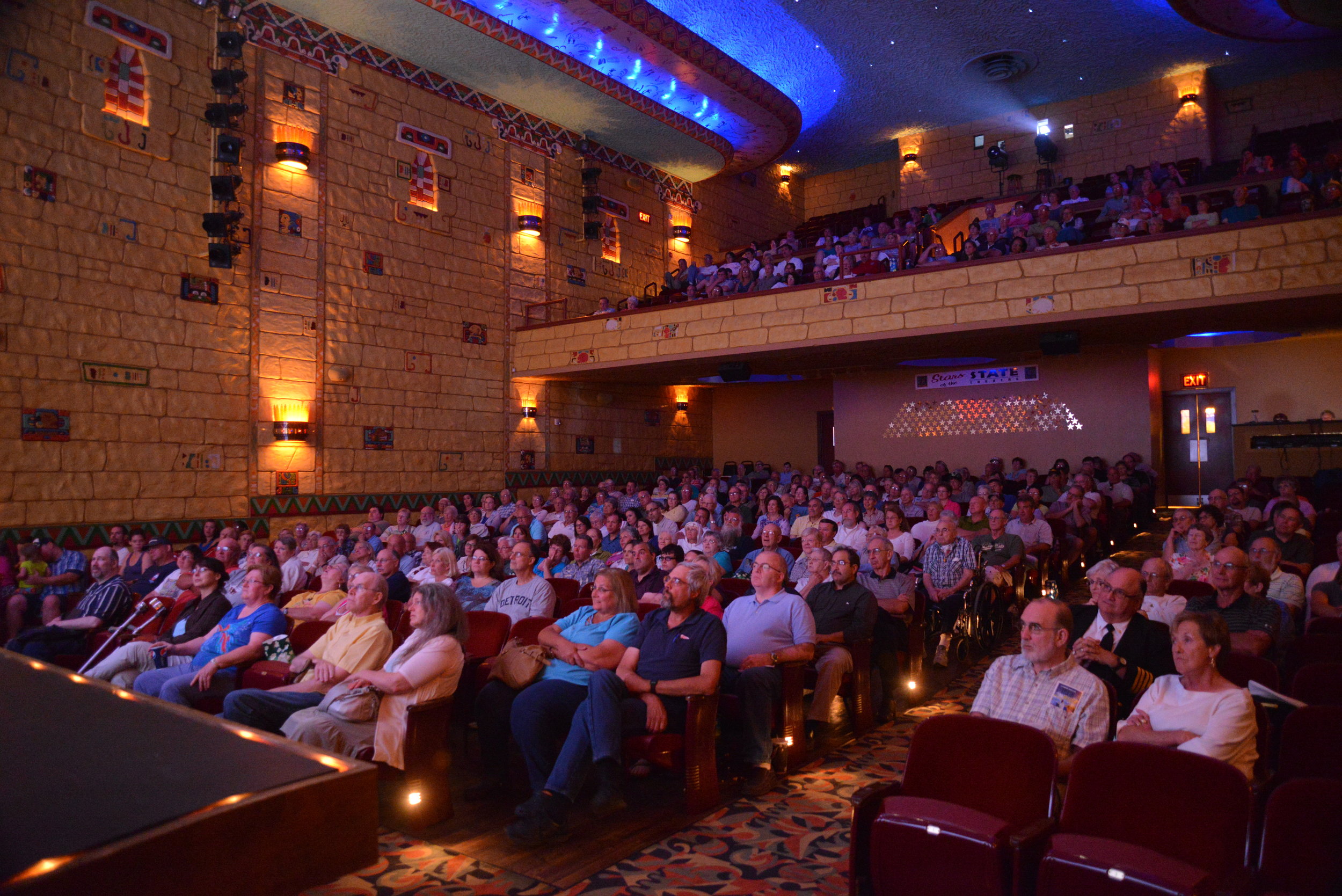
You need a speaker that can captivate your audience every time he steps to the microphone. From shipwrecks to lighthouses and aviation, Ric is unparalleled in enthusiasm, archive footage and eyewitness interviews.

Briny Depths: The Lakes Salt Industry and Shipwrecks
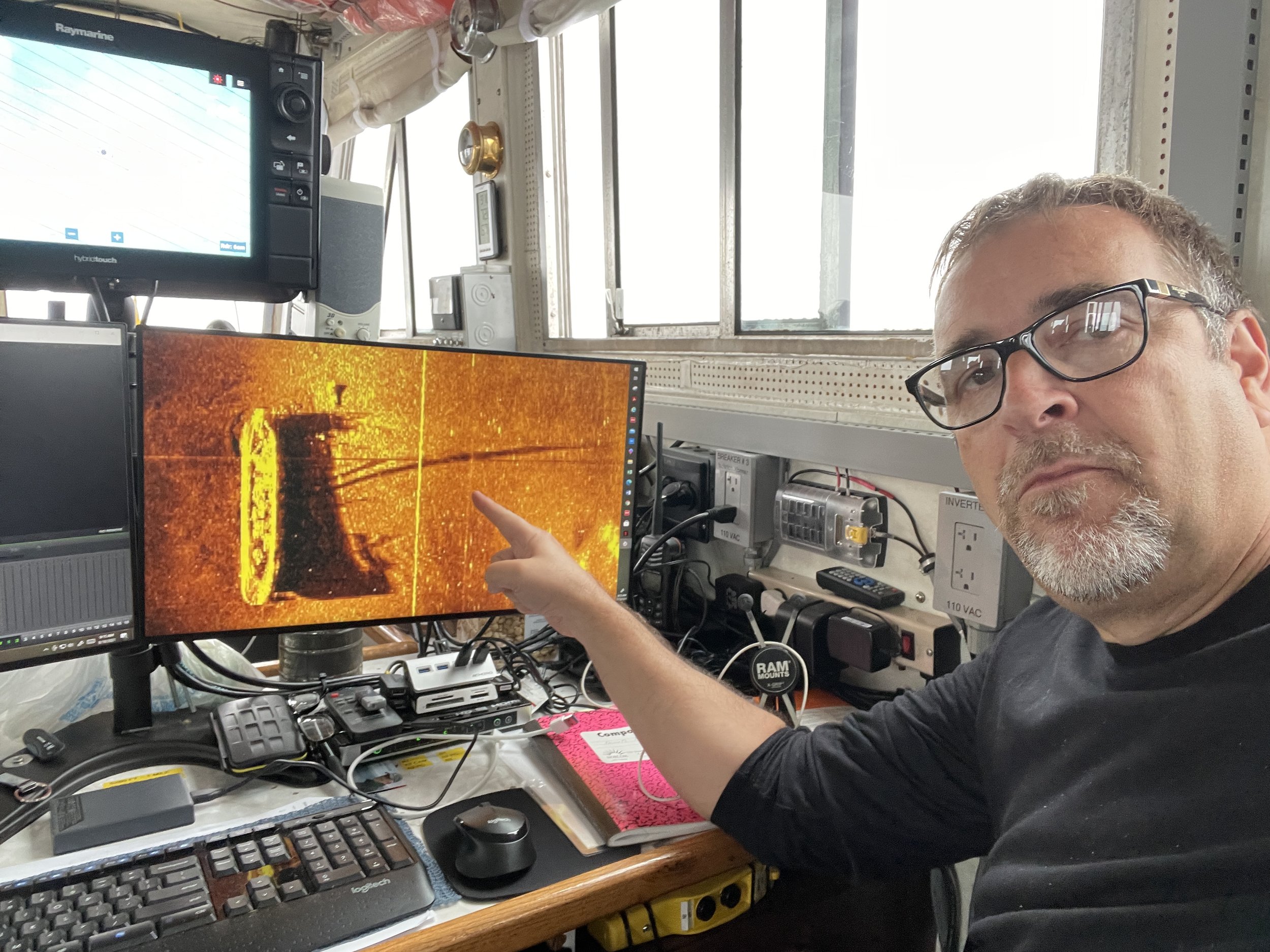
The recent discovery of a steamer loaded with salt brought to the surface the importance of Great Lakes salt production to the world. Piping up from a 400 million year old ocean deep beneath the Earth, salt manufacturers found high quality minerals in New York and Michigan. Over 70 ships were lost carrying salt to markets like Chicago and Superior, Wisconsin. Ric explores how the salt was discovered and dives several wrecks including the Adella Shores, Herman Hettler and Miztec and gives insight into how fortunes were made and lost.
The Edmund Fitzgerald Investigations
This is easily Ric’s most popular lecture, and it is usually standing room only when its advertised correctly. Featuring exclusive footage of the construction of the Fitz, this lecture includes interviews from the builders, sailors and investigators into the largest shipwreck on the Great Lakes. Ric also features footage from his dive down 550 feet to see the wreck site in a tiny submarine.

CF Curtis loaded by Robert McGreevy
Napoleon’s Armada: Lumber on the Lakes
Edward Hines was dubbed the Napoleon of Lumber, buying up land from coast to coast, as well as controlling the largest sawmill on Lake Superior. In 1914 the largest lumber fleet on the lakes was devastated by a storm that sank four of Hine's boats, damaging three others. Over four-milllion board feet were lost in lakes Superior, Huron and Michigan- enough to build 1200 homes.
Ric explores two new finds by the Great Lakes Shipwreck Historical Society that were lost with all hands during that tragic November gale. Includes exclusive looks at the CF Curtis and Selden Marvin- ships that Ric helped to identify.


BOTTLED GOODBYES
Based on Ric’s 260-page book, this first-ever compilation covers famous messages from Titanic to the Great Lakes, including haunting messages from the Great Storm of 1913. Ric also covers the newly discovered Pere Marquette 18, and how radio squelched the fad of floating farewells. Also includes messages from PT Barnum’s balloonist that was lost over Lake Michigan.
NOVEMBER GALES
Autumn storms are notorious on the Great Lakes and Ric has studied their devastating effect for over 25 years. This lecture features storms in 1905, 1913, 1940 and the wrecks of the Fitzgerald, Morrell, and Bradley. Rare interviews with survivors as well as footage from each of the ships makes this spellbinding lecture very special.
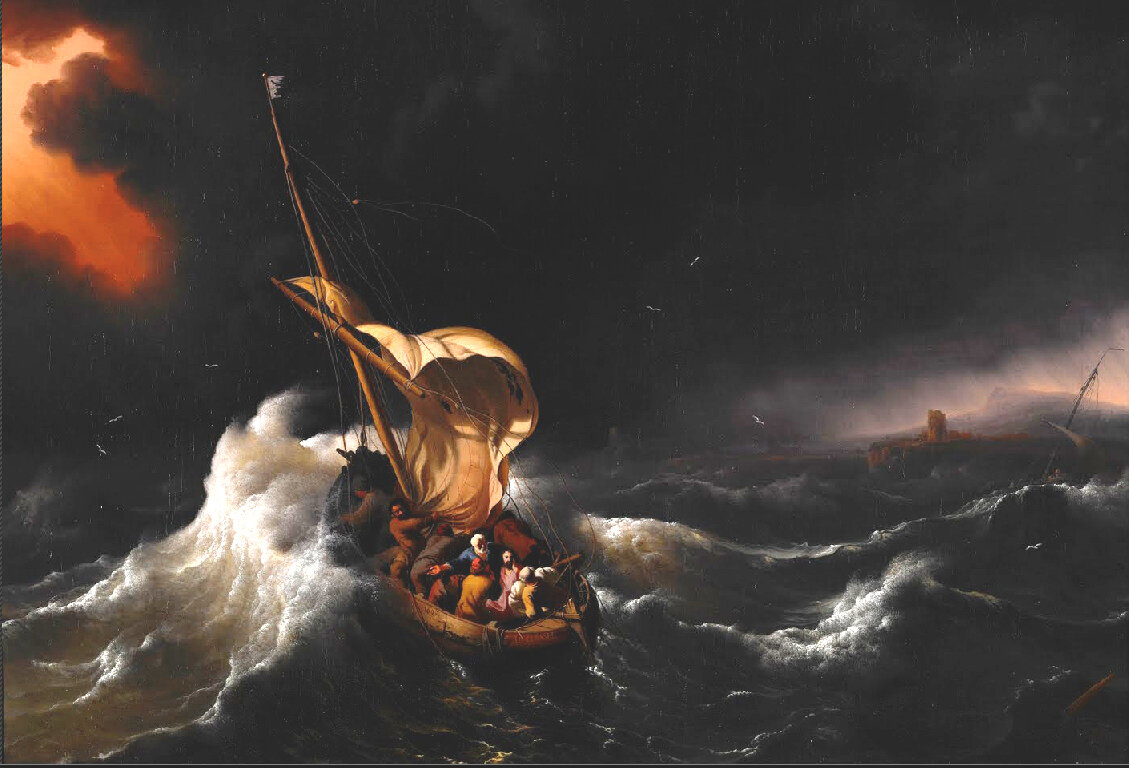
The Most Famous Shipwreck of All Time
Biblical accounts of the Ark and St. Paul’s shipwreck may be the most published stories of all time, but they aren’t the first tales recorded. Ric shares stories over four thousand years old from cuneiform tablets and he shares Phoenician and Egyptian wrecks that have been discovered in addition to Titanic, Lusitania, Arizona and so many other wrecks that have received headlines over the centuries. With a special emphasis on Great Lakes wrecks, this is a popular new topic!

Offshore Outposts
Far from the Michigan shoreline, these outposts guard safe passage around treacherous reefs in lakes Huron, Superior and Michigan. Featuring the first interview with the survivor from the explosion at Stannard Rock, this lecture is exclusive to Ric Mixter. Huron Island, DeTour Reef Passage and Spectacle Reef lighthouses are also featured.

Safe Ashore: the 1940 Armistice Day Storm
Lake Michigan’s worst storm is spotlighted in this popular lecture. Ric shares the only television interviews with the survivors from the doomed freighter Novadoc as well as the first television footage of the upside down William Davock. Based on the PBS documentary, this is a popular lecture for cities around Lake Michigan!

The Christmas Tree Ships
The Rouse Simmons is famous as the Christmas Tree Ship, but there were other schooners lost on their way to deliver conifers for the holidays. Ric looks into the George Wrenn, S. Thal, Mary Collins, Vermont and La Rabida, as well as an in-depth look at why the Simmons became such a legend.

Deep Six: Titanics of the Great Lakes
Based on the popular PBS documentary, this lecture chronicles the largest shipwrecks in the Great Lakes, including the Edmund Fitzgerald, Carl D. Bradley, Daniel J. Morrell and Cedarville. Survivors from several of the shipwrecks including Lake Erie’s largest shipwreck, the James Reed.

The Cedarville Collision
Millions of tourists glide over this massive shipwreck on their way to Mackinac Island, yet few remember the ship and 10 men that were lost in a foggy collision. Ric was the first to record documentary interviews with the survivors, which include wheelsman Len Gabrysiak. This lecture also includes commentary from a German sailor that risked his life to save the men from the icy waters.

Bombs Away: Great Lakes Bomber bases
Ric flies the final missions of the B-52 bombers in Michigan, including profiles of KI Sawyer AFB, Wurtsmith AFB, and Kincheloe AFB. Selfridge ANG is also featured as the final flights of the Air Force Reserve KC-135 tankers are transferred to Florida. Featuring interviews with Michigan based Tuskegee Airmen, and a Rosie the Riveter that built B-24 Liberators in Willow Run.

Captain’s Larsen: shipwrecks on the lakes
James Larsen was a boatbuilder from Denmark who came to Wisconsin just in time to save seven lives from a storm in 1880. In 1921 he and his captain son Louis were shipwrecked in northern Lake Huron. That final voyage was captured in fantastic pictures- which are now shared in this exclusive lecture. Also featured the loss of the Norwegian freighter Viator on Thunder Bay and the delivery of a famous floating museum on Belle Isle near Detroit.

Search for Le Griffon
It was the first ship to sail lakes Erie, Huron and Michigan but it never completed its first mission. Explorer Robert LaSalle sent the tiny ship back towards the Straits of Mackinac with a load of furs but it vanished with six sailors. LaSalle believed his crew stole his furs but history would record that they simply vanished. 300 years later, several expeditions have been launched to discover the French ship, all claiming to the media that they had found the elusive craft. Ric searches the clues left by historians and debunks the claims made since 1934 that Le Griffon has been found.

Valley Girls: Shipwrecks from the Saginaw Valley
Michigan was once a Mecca for shipbuilding, and Bay City led the world in wooden ship building with massive oak freighters reaching over 300 feet in length. Ric dives the remains of these massive ships and shares the stories behind the most famous hulls constructed on the Saginaw River. Featuring stories of the City of Bangor, Sevona, Pretoria, destroyer escort USS Rich, and the largest ship lost on Lake Huron, the Daniel J. Morrell. Ric also shares footage of the Knorr, the research ship that found Titanic.
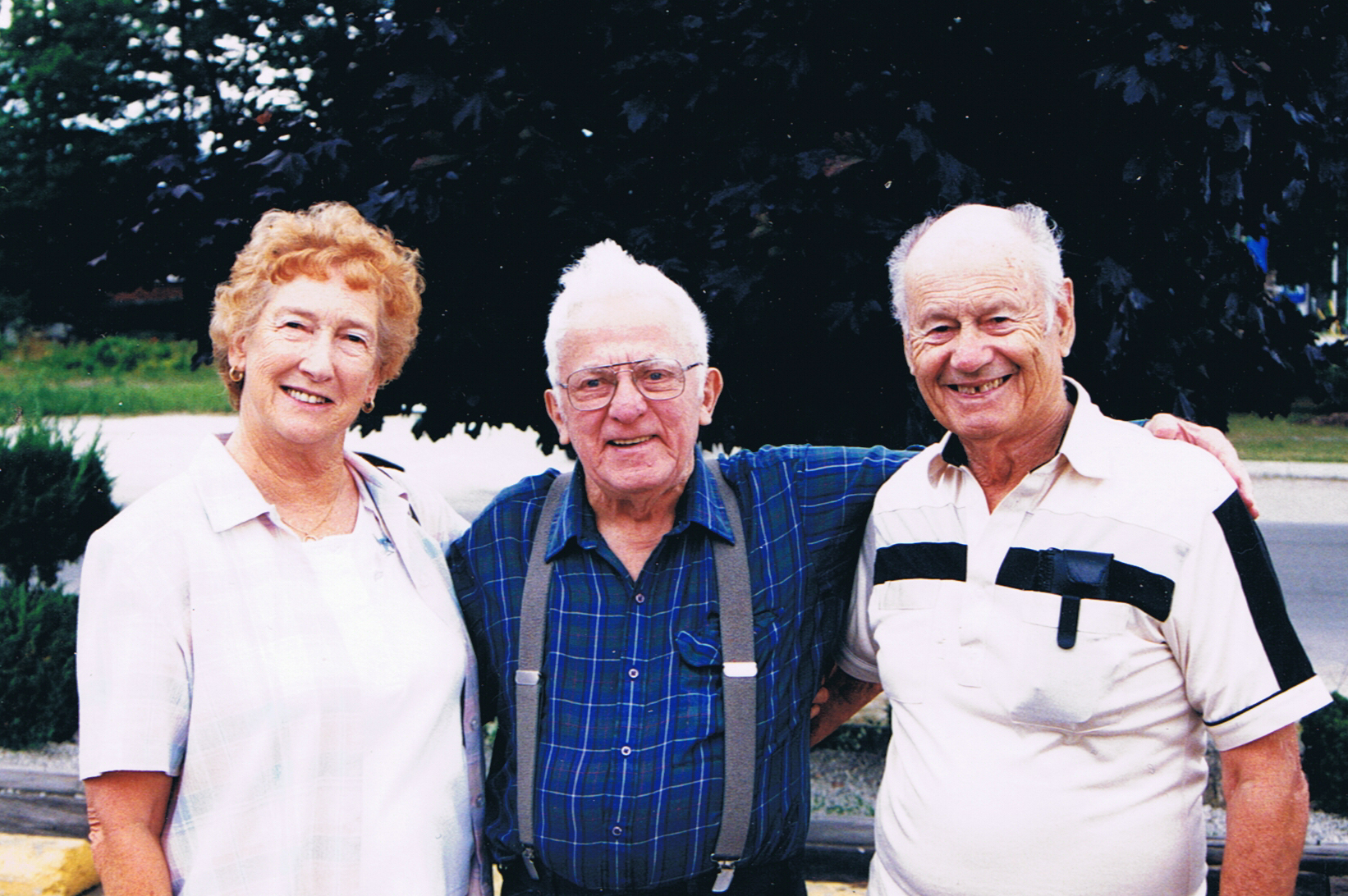
The Wheelsmen: Eyewitnesses to History
Ric’s first book is the basis for this fantastic lecture that combines many of the topics in his documentaries. From wheelsman Ed Kanaby- eyewitness to the last moments of four ships in the 1913 Storm, to Lloyd Belcher- who helmed the underpowered Novadoc when 126mph winds raked the lakes. Ric also shares an eyewitness to the collision that sank the Cedarville in the Mackinac Straits as well as helmsman Ray O’Malley, who survived the explosion on the Coast Guard cutter Escanaba in 1943.

The Nordmeer Rescue and Clean-up
Bad navigation put the ship on the rocks and a skeleton crew stayed on board to protect its valuable cargo. A massive storm broke two freighters in 1966, and it panicked the Nordmeer’s caretakers to send a distress call. Ric shares an exclusive interview with the chopper pilot who saved the 8 Germans aboard, and features movie footage taken during what turned out to be one of the biggest lake cleanups in history.

Black Friday 1916
Lake Erie is one of the most dangerous stretches of water in the world. It’s average depth is only 70 feet, which causes terrifying waves that seem to appear out of nowhere. Ric dives down to share several of the ships lost to the winds in 1916, in a story that wiped out three crews but left two captains as sole survivors. Featuring the wrecks of the Merida, Colgate, Butters and barge Filer. See also “Sole Survivors”

Cement Boat
What’s it like to live on a steamship on the Great Lakes? Ric takes the audience behind the scenes, learning jobs from Captain to Cook as the ship loads in its namesake city and sails to Duluth. Featuring footage going through the Soo Locks (Ric rode on the smokestack for a unique time-lapse) to footage of how cement is actually made from fossils that are millions of years old.

Cutter Rescues
The most famous Coast Guard rescues told by the men who were there. From the Nordmeer airlift to the Carl D. Bradley, Ric shares rare commentary with rescuers and survivors from the Escanaba, Dorchester, whaleback Henry Cort, and many others. With profiles of the museum ships Sundew and Mackinaw and even dives on the first Hollyhock, now a shipwreck off Florida. Ric also has 60 minute presentations on each of the highlighted cutters as well.

Lake Michigan’s Leviathan: The Carl D. Bradley
The largest shipwreck in Lake Michigan was largely forgotten when Ric Mixter joined a team of submariners to search for the lost freighter. Searching through old notes of the journalist who reported on the storm, Ric helped to narrow the search area and the 600 foot wreck was relocated. The team put a sub down to the wreck, the first humans to see the Carl Bradley, and survivor Frank Mays was able to place a memorial plaque on its deck. Ric shares insight to the expedition as well as clues as to what happened to the ship when it was lost with 33 lives in 1958.
Recently Added Topics!
"Briny Depths"
The recent discovery of a steamer loaded with salt brought to the surface the importance of Great Lakes salt production to the world. Piping up from a 400 million year old ocean deep beneath the Earth, salt manufacturers found high quality minerals in New York and Michigan. Over 70 ships were lost carrying salt to markets like Chicago and Superior, Wisconsin. Ric explores how the salt was discovered and dives several wrecks including the Adella Shores, Herman Hettler and Miztec and gives insight into how fortunes were made and lost.
"Napoleon's Lumber Fleet"
Edward Hines was dubbed the Napoleon of Lumber, buying up land from coast to coast, as well as controlling the largest sawmill on Lake Superior. In 1914 the largest lumber fleet on the lakes was devastated by a storm that sank four of Hine's boats, damaging three others. Over four-milllion board feet were lost in lakes Superior, Huron and Michigan- enough to build 1200 homes.
Ric explores two new finds by the Great Lakes Shipwreck Historical Society that were lost with all hands during that tragic November gale. Includes exclusive looks at the CF Curtis and Selden Marvin, ships that Ric helped to confirm the identity on.
“Howling Winds” Based on Ric’s new book!
Mascots were fairly common on Great Lakes ships, and the animal of choice was a dog. Ric Mixter chronicles some of the most famous storms and the canines that made it through, including the LC Waldo’s bulldog in the 1913 Storm, and the pets of the captain and cook that rode 20 miles in a lifeboat with gold medal lifesavers from Charlotte, New York. Soogie, the Coast Guard dog, rode through the same storm that sank the Edmund Fitzgerald! The recent discovery of the Huronton also brings to the surface the legend of the ship’s dog by a man who survived over a dozen shipwrecks.
“Graveyard of the Great Lakes”
Ric explores the various places on the lakes dubbed “Graveyard” including Long Point, Ontario and eastern Lake Superior. Includes many new discoveries in Lake Superior and the captivating stories of survival attached to them.
“Last Witness: Sole Survivors”
It’s rare that only one member of the crew survive a sinking, but some of the most incredible rescue stories are from those who alone made it ashore. The loss of the side-wheeler Sunbeam on Lake Superior, the wheelmen on the Western Reserve and the Equinox were also the last of the crew to tell what happened. But perhaps it’s the legendary stories from the masters of the ships that seem nearly impossible- as tradition usually submits the skipper to go down with his ship. This wasn’t the case for Capt. Neal on the Myron in 1919 or the man who saw his wife and child lost when the Nelson was also lost on Superior’s shipwreck coast. Two captains were the sole survivors when their ships were lost to Black Friday in 1916, and Capt. Jerome Kiah was the only lifesaver to float ashore after a tragic rescue attempt off Michigan’s Thumb. Ric Mixter shares these stories and his longtime friendship with the only crewman found alive when the Daniel J. Morrell was lost in November of 1966.
BOMARC- Michigan’s Contribution to the Nation’s Air Defense
"Willow Run's airport was purchased by the University of Michigan for a dollar after World War II, and analysis of the Nazi V-2 rocket soon led to speculation that scientists at the Willow Run Laboratory were working on a version that could fly to new heights, and even possibly afford manned flight into outer space. The world soon learned the effort was for a missile defense system that would protect America's northern states from airborne attack. Ric digs into the research at Willow Run and the concept of air defense that came from the think tank at Willow Run. Also covered is the controversy of the Air Force versus the Army's Nike program and the fight for funding the best solution against Soviet threats. Michigan's Upper Peninsula is featured as the first operational BOMARC facility in the country, hosted at Raco Field near Sault Ste Marie."
“Deep Diving” Ric shares deepwater exploration of shipwrecks off Michigan’s Shipwreck Coast, including visits to the Adella Shores, the Atlanta, tug Satellite and schooner Frank Wheeler. Included in this lecture is a background on each cargo and construction of the ships as well as the mission of the Great Lakes Shipwreck Historical Society to discover the whereabouts of where each ship was lost.

A Shipwreck Concert?
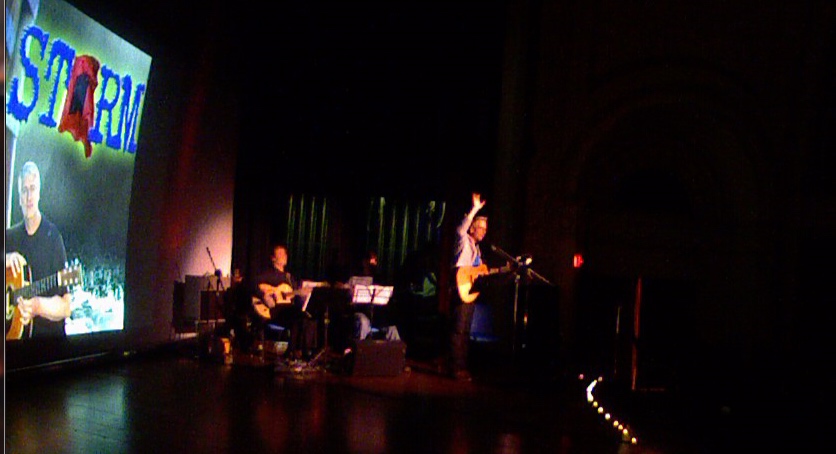
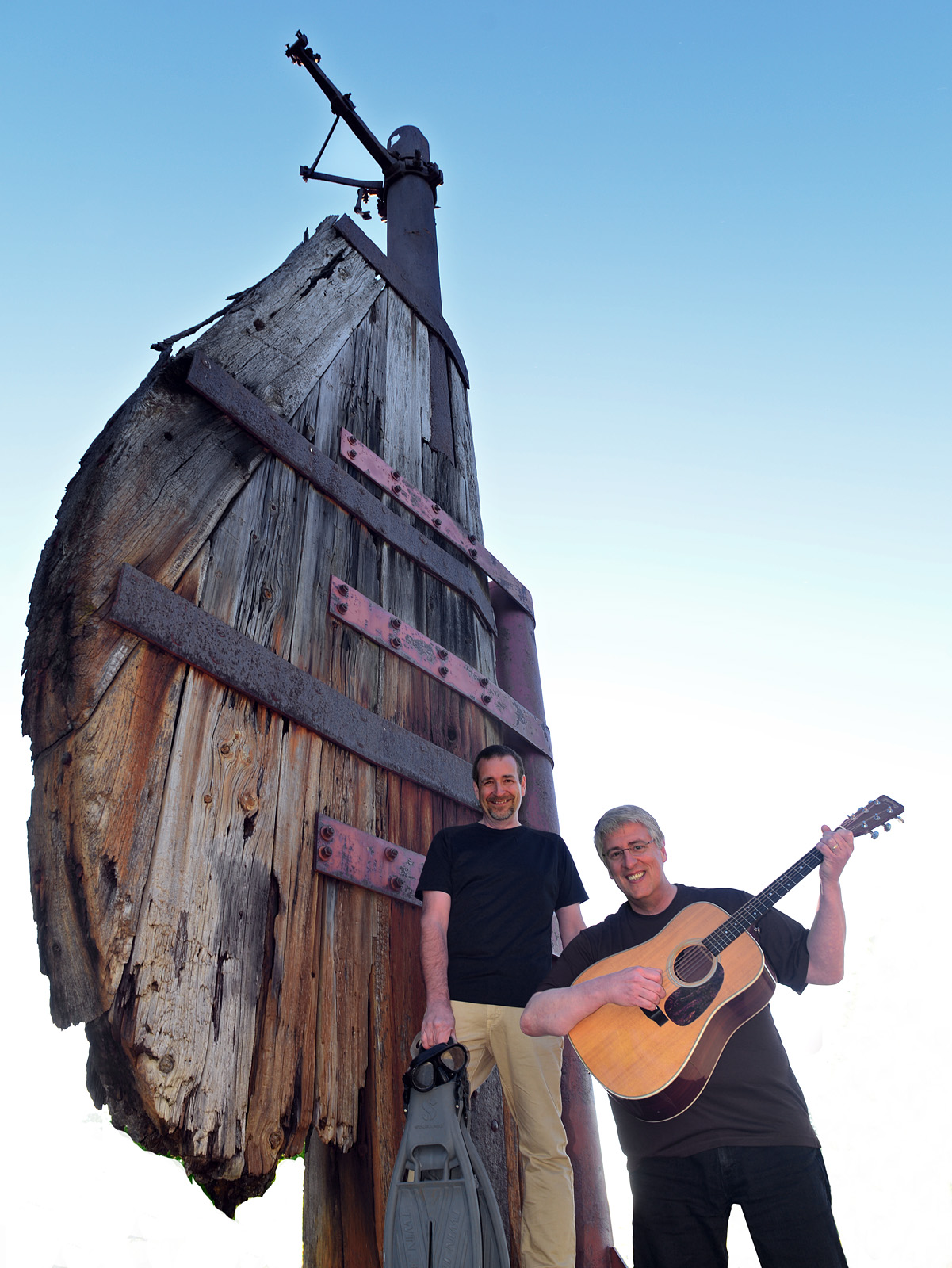
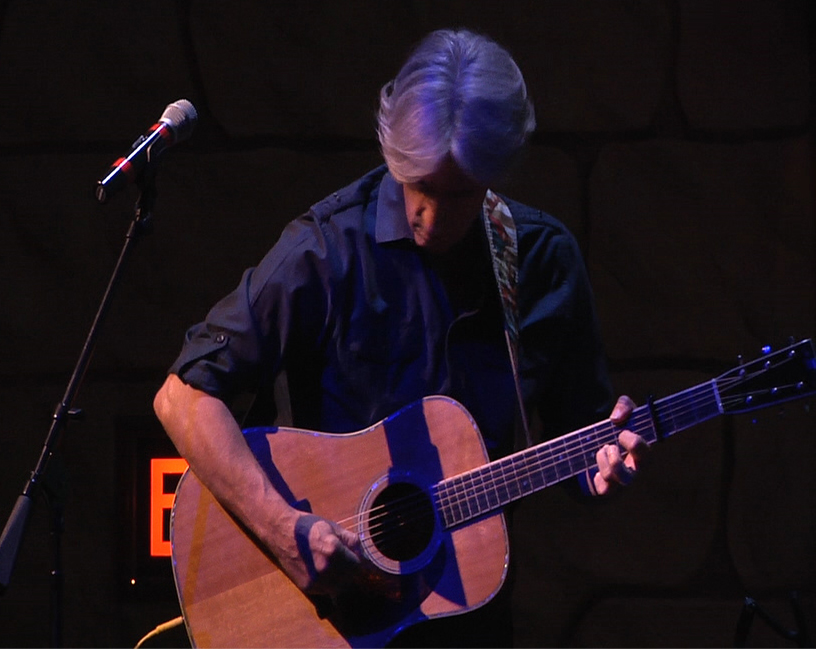
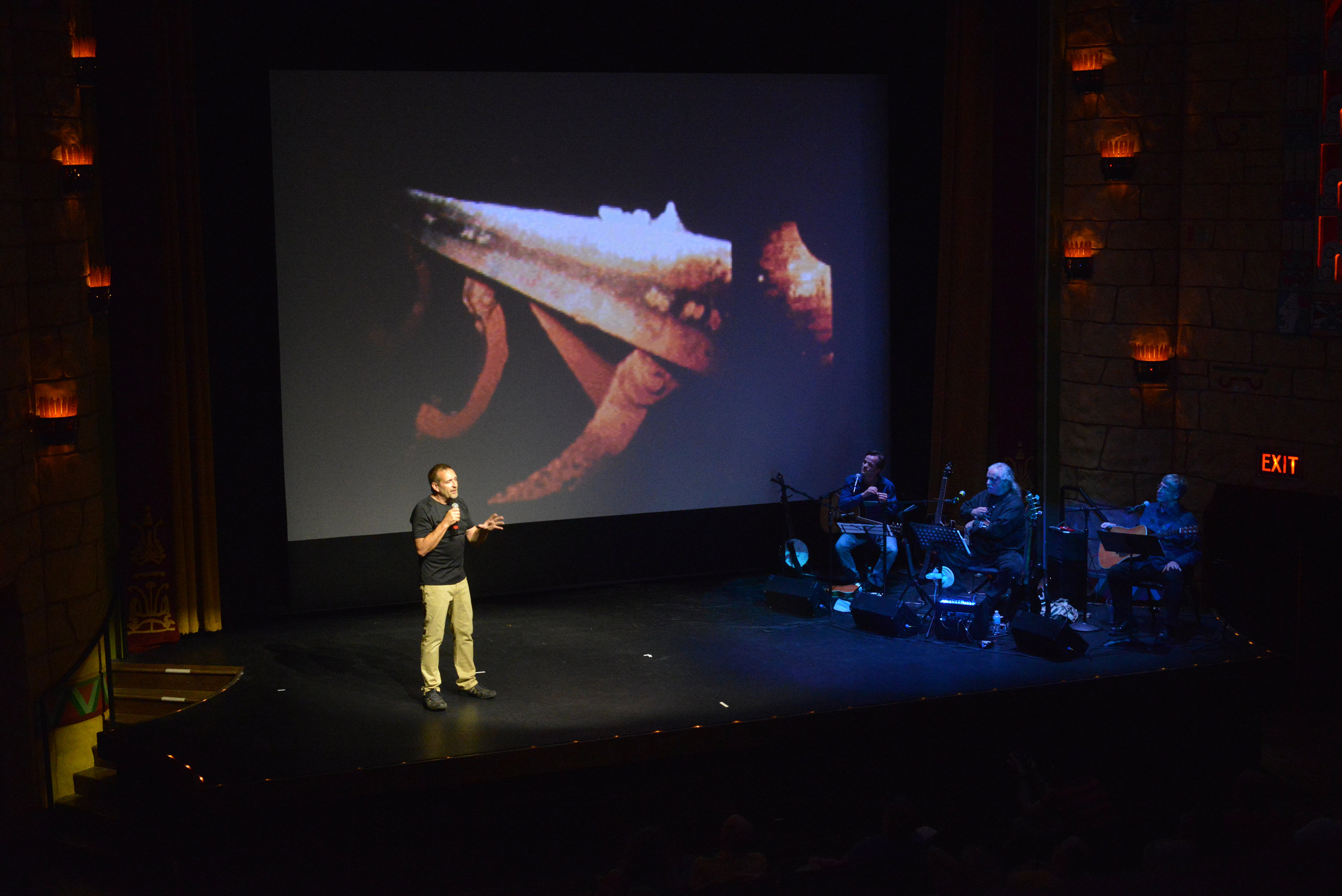
Over 16 cities have celebrated their maritime history with “STORM” and “RESCUE”, our two concert performances with musician Dan Hall. Ric narrates a two-hour tour through 300 years of Great Lakes history that is customized to the ‘homeport’ host. From Mackinac Island to Algonac, these concerts have been shared to thousands of fans who love this unique way of sharing the most incredible rescues and survivals on the lakes.