Who is Ric Mixter?

Here’s why Ric’s Lectures Attract So Many Zoom Students:

“I was very impressed with Mr. Mixter’s presentation! He is an excellent speaker, very knowledgeable and personable! It is obvious that he is very passionate about his work. ”
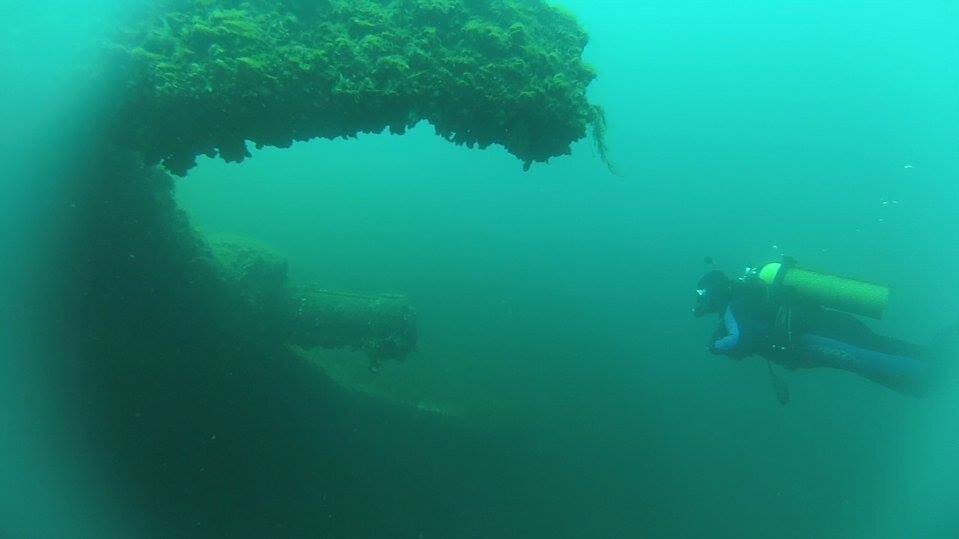
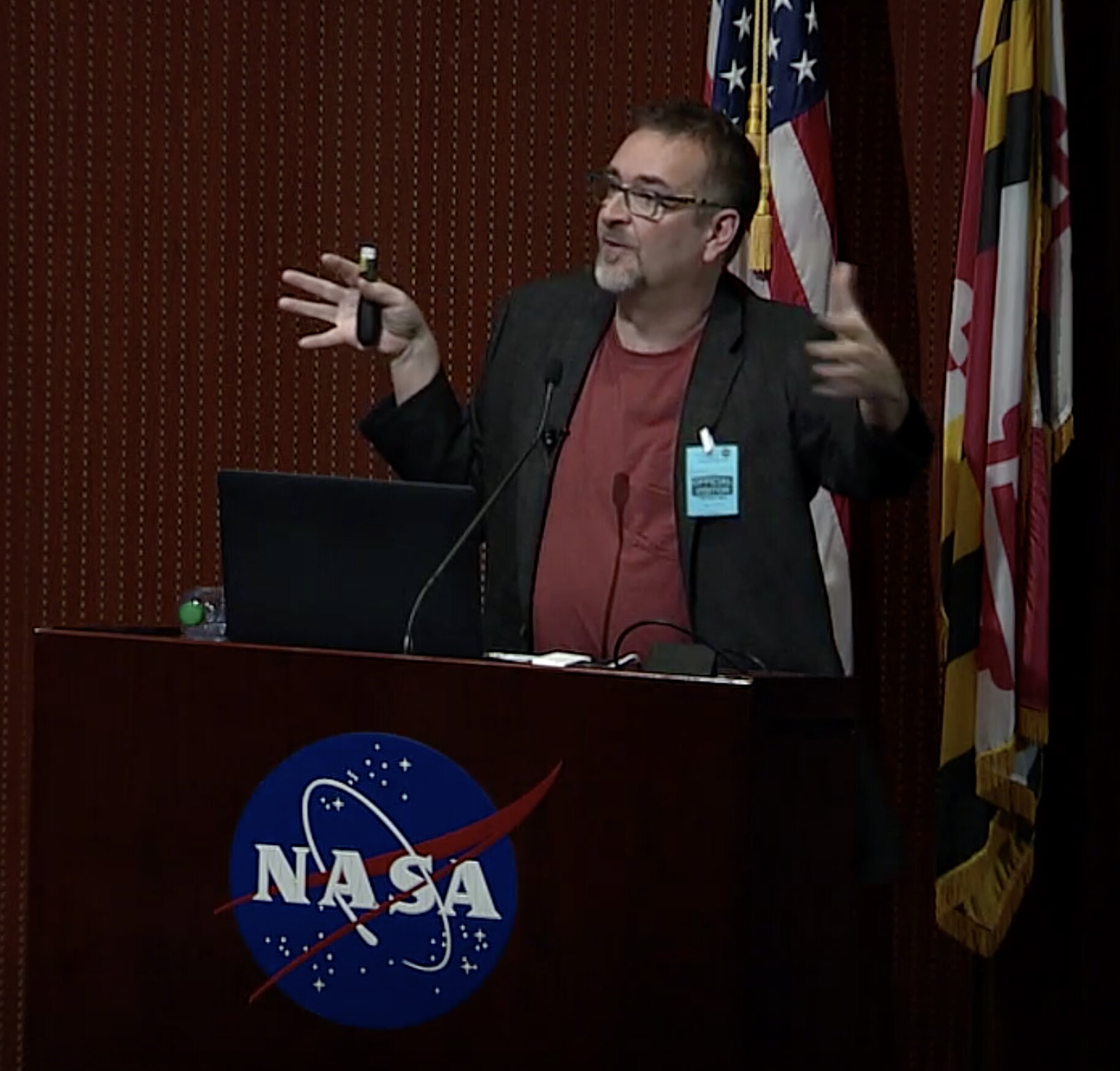
For more than three decades, Ric Mixter has helped reshape public understanding of Great Lakes maritime history through groundbreaking documentaries, underwater exploration, eyewitness interviews, and historical preservation advocacy. A diver, lecturer, author, and television producer, Mixter is widely recognized for uncovering forgotten stories, correcting long-repeated myths, and bringing first-hand voices to audiences across North America.
Mixter produced the first major documentary on the devastating 1913 Great Lakes Storm featuring two eyewitnesses to the disaster, while also presenting evidence that challenged long-accepted assumptions about the barge Plymouth. He later created the first documentary devoted to the deadly 1940 Armistice Day Storm, again locating and interviewing surviving witnesses and lifesaving personnel. His work corrected the long-repeated narrative that the William B. Davock and Anna C. Minch collided and introduced the public to the first underwater footage of the Davock.
Among his best-known work is his extensive research into the loss of the SS Edmund Fitzgerald. Mixter was the first researcher to publicly announce the discovery of a body on the wreck and among the first to publicly state the wreck rested in American waters. His documentaries featured pioneering voices including Capt. Jim Wilson, Mate Richard Orgel, and expedition leader Fred Shannon, while his collaborations with artist Jim Clary helped inspire some of the most historically accurate underwater paintings of the wreck ever produced. He also publicly challenged the long-standing “Six Fathom Shoal” theory and reinforced Coast Guard conclusions that hatch failures likely played a major role in the disaster. Mixter has delivered more than 40 lectures on the Fitzgerald in 2025 alone.
His preservation and educational work extends well beyond the Fitzgerald. Mixter produced the first PBS documentaries focused on Coast Guard history in the Great Lakes, documented the final voyages of retired cutters including the USCGC Sundew, and brought important voices to television audiences for the first time, including Captain Muth, survivor Frank Mays, expedition leader Chris Buekema, and others connected to Great Lakes disasters and rescues. He was also the first to broadcast underwater footage of the wreck of the SS Carl D. Bradley on television and helped correct misconceptions surrounding how the vessel broke apart. His underwater footage is currently played in five of the most attended maritime museums on the Great Lakes.
Mixter’s documentary Deep Six explored seven of the largest shipwrecks ever lost on the Great Lakes and introduced television audiences to survivors and wreck footage never before seen publicly, including rare imagery of the James Reed wreck in Lake Erie. He has the only recorded interview with a survivor of that accident.
Beyond shipwrecks, Mixter was selected by Michigan’s State Underwater Archaeologist to chronicle the discovery of a Tuskegee Airmen training aircraft and later produced Bombs Away, highlighting the Michigan connections of the famed pilots alongside Colonel Alex Jefferson. He also became the only journalist permitted to fly on the final Air Force missions departing both Wurtsmith and Sawyer Air Force Bases and was among the last civilians to fly with the United States Air Force Thunderbirds at Oscoda.
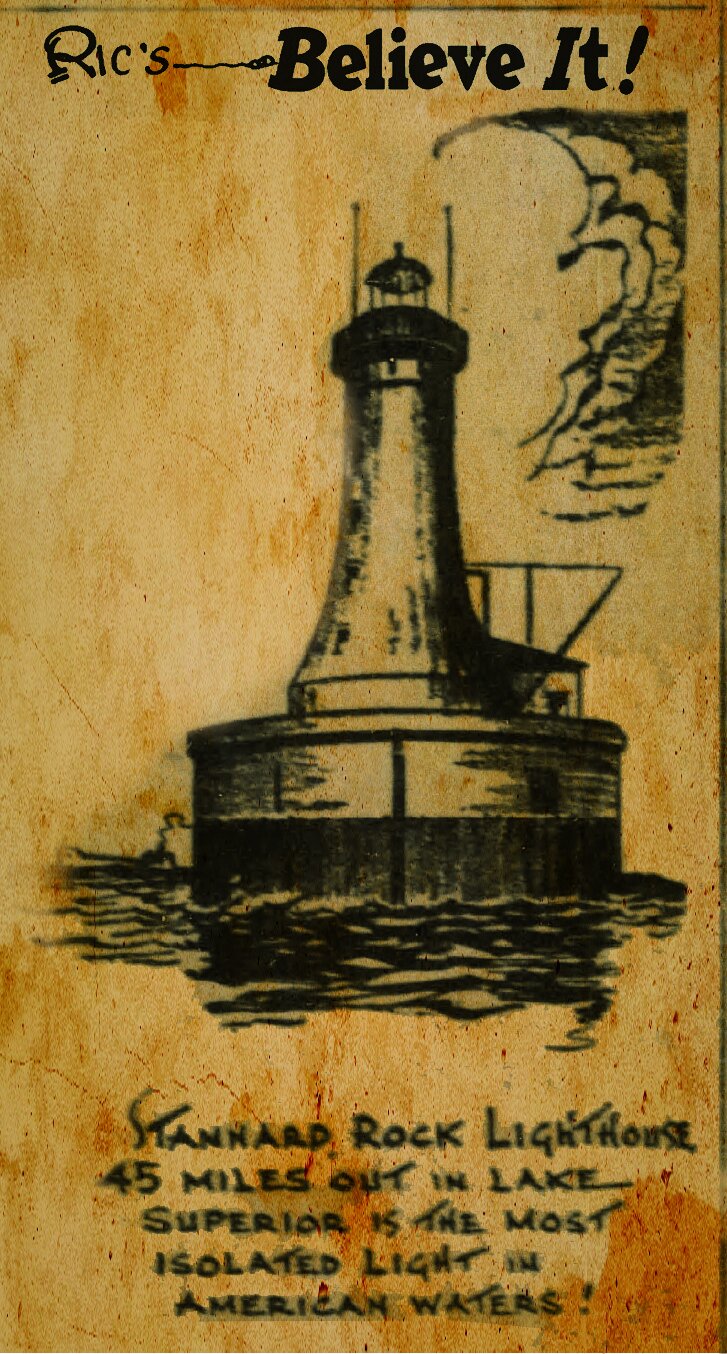
Mixter’s investigative work has repeatedly corrected historical inaccuracies. He located and interviewed the surviving witness of the Stannard Rock Lighthouse explosion and disproved the long-accepted belief that an electrician caused the accident. His career has consistently blended historical rigor with compelling storytelling, whether underwater, on stage, or on television.
A longtime advocate for maritime preservation, Mixter has written extensively, first for Voices of the Lakes (1996), and with dozens of articles for Michigan History Magazine, The Beacon, and other regional publications like Inland Seas, the magazine of the National Museum of the Great Lakes. His work with public television spans more than two decades, beginning with Saginaw Delta Broadcasting in 2000 and continuing through recurring collaborations with Detroit Public Television and Great Lakes Now. He has appeared on the History Channel, Discovery Channel, and National Geographic, including two appearances on National Geographic Explorer.
Internationally recognized for his expertise, Mixter remains the only American presenter invited to both host and present at Canada’s premier shipwreck conference on two separate occasions.
His honors include the Association for Great Lakes Maritime History “Historic Interpretation Award” in 2009, emeritus board membership within the organization, former presidency of the Great Lakes Lighthouse Keepers Association, and the Great Lakes Shipwreck Preservation Society “Impact Award” in 2021.
Today, Mixter continues to lecture, dive, document, and advocate for the preservation of Great Lakes maritime history — combining eyewitness testimony, underwater exploration, and compelling storytelling to ensure the legends of the lakes are remembered accurately and authentically.
Topics for Osher Life Long Learning at Saginaw Valley State included 3 classes in Famous Shipwrecks and 3 classes in Lighthouses of the Great Lakes!